In today’s world of texting, social media, and online messaging, abbreviations are everywhere. One acronym you may have seen in emails, chats, gaming forums, or text messages is TIA. But what does TIA meaning in text actually stand for?
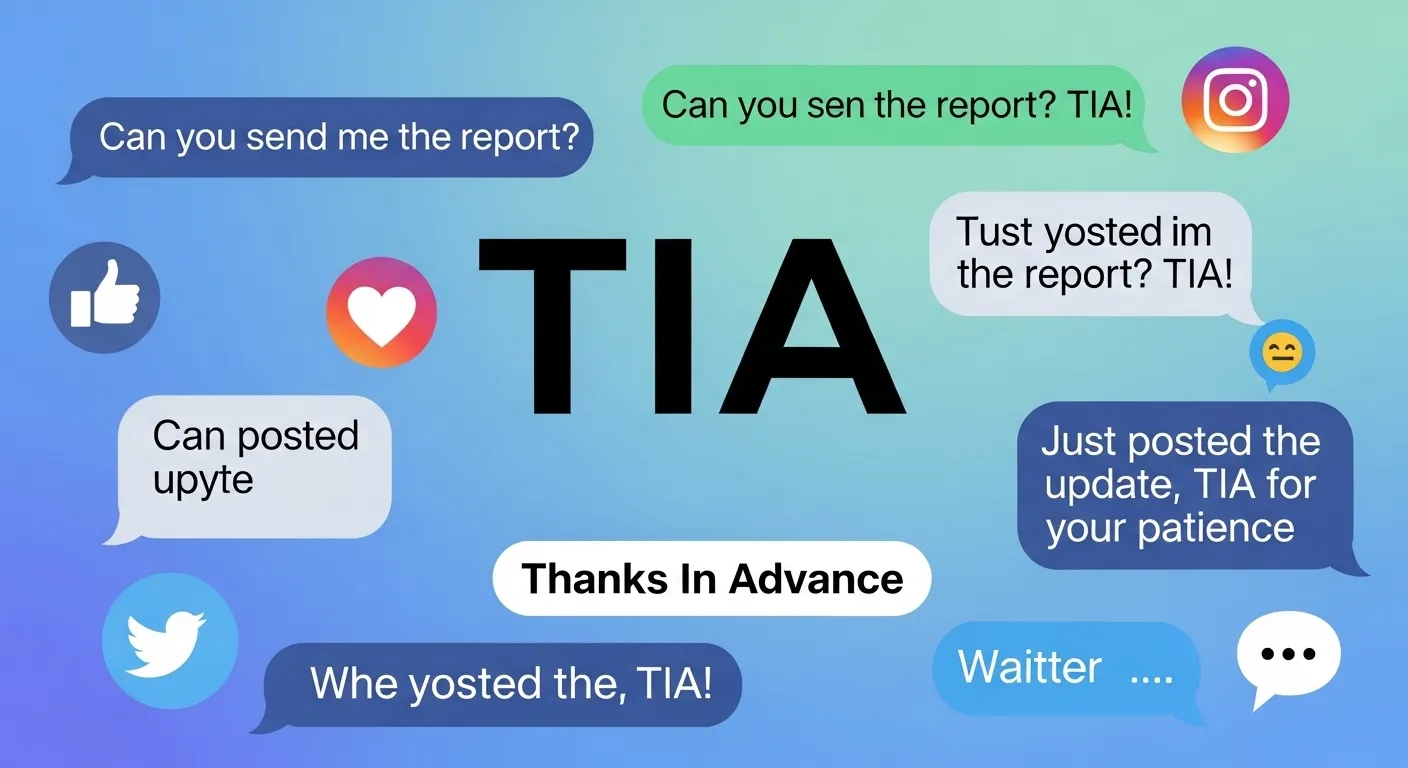
The short answer is simple: TIA usually means “Thanks In Advance.” People use it to politely thank someone before they help or respond.
However, like many internet slang terms, TIA can have multiple meanings depending on the context. Understanding how and when to use it can help you avoid confusion and communicate more naturally online.
In this detailed guide, you’ll learn:
- The exact TIA meaning in text
- How people use it in texting and social media
- Different meanings of TIA
- Examples in conversations
- When it’s appropriate to use
- Alternatives to TIA
- Common misunderstandings
- FAQs and texting tips
Let’s dive in.
What Does TIA Mean in Text?
The most common TIA meaning in text is:
TIA = Thanks In Advance
People use this abbreviation when asking for help, information, advice, or a favor before receiving a response.
It’s considered a polite and efficient way to express appreciation ahead of time.
Example
Text Message:
“Can someone send me the meeting notes? TIA!”
Meaning:
“Can someone send me the meeting notes? Thanks in advance!”
This phrase became popular because texting and online messaging encourage shorter, faster communication.
Why People Use TIA in Texting
Modern communication is all about speed and convenience. Instead of typing full sentences every time, people shorten common phrases into acronyms.
TIA is popular because it:
- Saves time
- Sounds polite
- Keeps messages short
- Works in emails and texts
- Feels friendly and casual
It’s especially common in:
- Group chats
- Workplace communication
- Facebook posts
- Reddit threads
- Online forums
- Gaming communities
- Customer support discussions
The Main Meaning of TIA: “Thanks In Advance”
This is the version you’ll encounter most often.
How It Works
When someone needs help, they add “TIA” at the end of the message to show appreciation before anyone replies.
Examples
- “Does anyone know a good laptop for college? TIA.”
- “Can you send me the address? TIA!”
- “Looking for restaurant recommendations in Chicago, TIA.”
In each case, the sender is politely thanking readers before receiving assistance.
Is TIA Formal or Informal?
TIA is generally considered:
| Situation | Appropriate? |
|---|---|
| Casual texting | Yes |
| Social media | Yes |
| Group chats | Yes |
| Work chats | Usually |
| Professional emails | Sometimes |
| Academic writing | No |
While TIA can work in professional settings, tone matters.
Professional Example
“Could you please review the attached document by Friday? TIA.”
This is acceptable in many workplaces, especially internal communication.
Less Professional Use
Using TIA in highly formal business emails may appear too casual.
Instead, you might write:
“Thank you in advance for your assistance.”
Other Meanings of TIA
Although “Thanks In Advance” is the most common definition, TIA can mean other things too.
Context is important.
1. Transient Ischemic Attack
In medical discussions, TIA stands for:
Transient Ischemic Attack
This refers to a temporary blockage of blood flow to the brain, sometimes called a “mini-stroke.”
Example
“My grandfather suffered a TIA last year.”
In health-related conversations, TIA almost always refers to the medical condition.
2. This Is Africa
Sometimes online users use TIA to mean:
This Is Africa
This phrase may appear in travel discussions, documentaries, or cultural conversations.
Example
“The roads were chaotic, but TIA.”
However, this meaning is far less common in texting than “Thanks In Advance.”
3. Other Rare Meanings
Depending on the industry or context, TIA could also stand for:
- Technical Information Association
- Telecommunications Industry Association
- Treasury Inspectorate of Accounts
But these are specialized meanings and rarely appear in casual texting.
How to Tell Which Meaning of TIA Someone Means
The easiest way to understand TIA is to look at the context.
If Someone Is Asking for Help
It almost always means:
“Thanks In Advance”
Example
“Can anyone explain this homework problem? TIA.”
If It’s a Medical Conversation
It probably means:
“Transient Ischemic Attack”
Example
“Symptoms of a TIA can include temporary numbness.”
If It’s About Travel or Culture
It may mean:
“This Is Africa”
Example
“Power outages happen often there. TIA.”
Examples of TIA in Real Text Conversations
Here are realistic examples of how people use TIA online.
Casual Friend Text
Alex:
“Can you send me the Netflix password? TIA 😂”
Facebook Group Post
“Looking for affordable wedding photographers in Dallas. TIA!”
Work Chat
“Can someone update the spreadsheet before the meeting? TIA.”
Gaming Community
“Any tips for beating this boss fight? TIA.”
Parent Group
“Best schools near downtown? TIA!”
Is TIA Polite?
Usually, yes.
Most people interpret TIA as a polite gesture because it shows appreciation.
However, tone and wording matter.
Polite Example
“Could someone help me understand this assignment? TIA!”
This feels friendly and respectful.
Rude-Sounding Example
“Need this fixed ASAP. TIA.”
This may sound demanding because the message itself is abrupt.
Tip
Always combine TIA with polite wording.
Common Misunderstandings About TIA
There are a few misconceptions people have about this abbreviation.
Misunderstanding #1: TIA Is Always Professional
Not necessarily.
TIA works best in semi-casual communication. Overusing abbreviations in formal emails may seem unprofessional.
Misunderstanding #2: Everyone Knows What TIA Means
Some people may not recognize internet abbreviations, especially older audiences or non-native English speakers.
If clarity matters, spell it out.
Misunderstanding #3: TIA Guarantees Help
Saying “thanks in advance” doesn’t obligate someone to respond. It’s simply a polite expression.
When You Should Use TIA
TIA works best when:
- Asking a question
- Requesting advice
- Seeking recommendations
- Requesting help online
- Messaging friends or coworkers
- Posting in forums or groups
When You Should Avoid TIA
You may want to avoid TIA in:
- Formal legal communication
- Academic papers
- Serious complaints
- Job applications
- Very formal business emails
In those situations, writing the full phrase is safer.
TIA vs Other Similar Text Acronyms
Here are some related abbreviations people often confuse with TIA.
| Acronym | Meaning |
|---|---|
| TIA | Thanks In Advance |
| TY | Thank You |
| TYSM | Thank You So Much |
| THX | Thanks |
| BTW | By The Way |
| IMO | In My Opinion |
| IDK | I Don’t Know |
| FYI | For Your Information |
These abbreviations are common in texting culture and social media communication.
Alternatives to TIA
If you want to sound more natural or professional, here are some alternatives.
Casual Alternatives
- Thanks!
- Appreciate it!
- Thanks a lot!
- Much appreciated!
- Thank you!
Professional Alternatives
- Thank you in advance for your help.
- I appreciate your assistance.
- Thank you for your time.
- Thank you for considering my request.
The History of TIA in Internet Culture
TIA became popular during the rise of:
- Internet forums
- Online bulletin boards
- Early chatrooms
- SMS texting
- Email culture
Before smartphones had full keyboards, abbreviations helped people type faster.
Over time, acronyms like:
- LOL
- BRB
- OMG
- TTYL
- TIA
became part of everyday digital language.
Today, TIA remains common because it combines efficiency with politeness.
How TIA Is Used on Different Platforms
TIA on Facebook
People often use TIA in community groups.
Example
“Can anyone recommend a good plumber nearby? TIA!”
TIA on Reddit
Reddit users commonly add TIA when asking questions.
Example
“Best budget gaming monitor under $200? TIA.”
TIA in Emails
Workplace emails may use TIA casually.
Example
“Please send the updated report by noon. TIA.”
TIA in Text Messages
Friends and family use it frequently.
Example
“Can you pick up snacks on your way home? TIA 😄”
Does TIA Sound Passive-Aggressive?
Sometimes people interpret “thanks in advance” as slightly pushy because it assumes help will be given.
Tone matters a lot.
Friendly Tone
“If anyone has suggestions, I’d appreciate it. TIA!”
Sounds warm and polite.
Pushy Tone
“Need answers ASAP. TIA.”
May sound demanding.
Best Practice
Use polite wording and avoid sounding entitled.
Generational Differences in Using TIA
Different age groups may use TIA differently.
| Generation | Usage Style |
|---|---|
| Gen Z | Less frequent, prefers emojis/slang |
| Millennials | Very common |
| Gen X | Common in emails and Facebook |
| Older adults | May not recognize it |
Younger users sometimes prefer more modern slang, while millennials often use classic internet acronyms like TIA.
SEO and Social Media Trends Around “TIA Meaning in Text”
Searches for phrases like:
- “tia meaning in text”
- “what does tia mean”
- “tia slang meaning”
- “tia abbreviation”
- “tia text meaning”
continue to trend because people constantly encounter unfamiliar online abbreviations.
As texting language evolves, internet users frequently search for explanations of digital slang.
Quick Reference Table: TIA Meaning
| Context | Meaning |
|---|---|
| Texting | Thanks In Advance |
| Emails | Thanks In Advance |
| Medical discussion | Transient Ischemic Attack |
| Travel/culture | This Is Africa |
Tips for Using TIA Correctly
Here are some simple guidelines.
Do
- Use it in friendly conversations
- Add polite wording
- Use it in online communities
- Keep the tone respectful
Don’t
- Use it in extremely formal writing
- Sound demanding
- Assume everyone understands it
- Overuse abbreviations in professional communication
Frequently Asked Questions (FAQs)
What does TIA mean in texting?
TIA usually means “Thanks In Advance.” It’s used when asking for help, advice, or information online or in text messages.
Is TIA rude?
No, TIA is generally considered polite. However, the tone of the overall message matters. A demanding message can make it sound less friendly.
What does TIA mean medically?
In medical terms, TIA stands for Transient Ischemic Attack, also known as a mini-stroke.
Can I use TIA in work emails?
Yes, but only in casual or semi-professional settings. In formal emails, writing “Thank you in advance” is usually better.
Is TIA still popular?
Yes. Even though new slang appears constantly, TIA remains widely used in texting, forums, and social media.
What are alternatives to TIA?
Alternatives include:
- Thanks!
- Much appreciated!
- Thank you in advance
- Appreciate your help
- Thanks a lot
What does TIA mean on Facebook?
On Facebook, TIA almost always means “Thanks In Advance.” People commonly use it in group posts when asking for recommendations or help.
Final Thoughts
Understanding the TIA meaning in text helps you communicate more naturally in today’s digital world. In most cases, TIA simply means “Thanks In Advance,” a quick and polite way to show appreciation before someone responds.
While the abbreviation is common in texting, emails, forums, and social media, context always matters because TIA can also have medical or cultural meanings.
Here are the key takeaways:
- TIA usually means “Thanks In Advance.”
- It’s widely used in casual and semi-professional communication.
- Tone matters — polite wording makes TIA sound friendly.
- Context helps determine alternate meanings.
- It’s best avoided in very formal writing.
As online language continues evolving, knowing abbreviations like TIA can make digital conversations easier, faster, and more engaging. Whether you’re chatting with friends, posting in groups, or writing emails, understanding common text slang keeps you connected in the modern communication world.

I’m a language-focused blogger from the United States, and I write about modern texting habits and online expressions. My goal is to help readers stay up to date with constantly evolving digital slang by sharing accurate meanings, practical usage tips, and real conversational examples.