In today’s fast-paced digital world, texting has become a primary way we communicate. From short abbreviations to casual expressions, online language keeps evolving. One such commonly used expression is “uhm.” But what exactly does it mean?
If you’ve ever received a message with “uhm” and wondered whether it signals hesitation, confusion, or something else—you’re not alone. Understanding the uhm meaning in text is essential for interpreting tone, emotion, and intent in digital conversations.
In this comprehensive guide, we’ll break down everything you need to know about “uhm” in texting, including its meaning, usage, variations, examples, and alternatives.
What Does “UHM” Mean in Text?
At its core, “uhm” is a written representation of a verbal pause or hesitation sound—similar to how people say “um” or “uh” in spoken conversation.
Simple Definition:
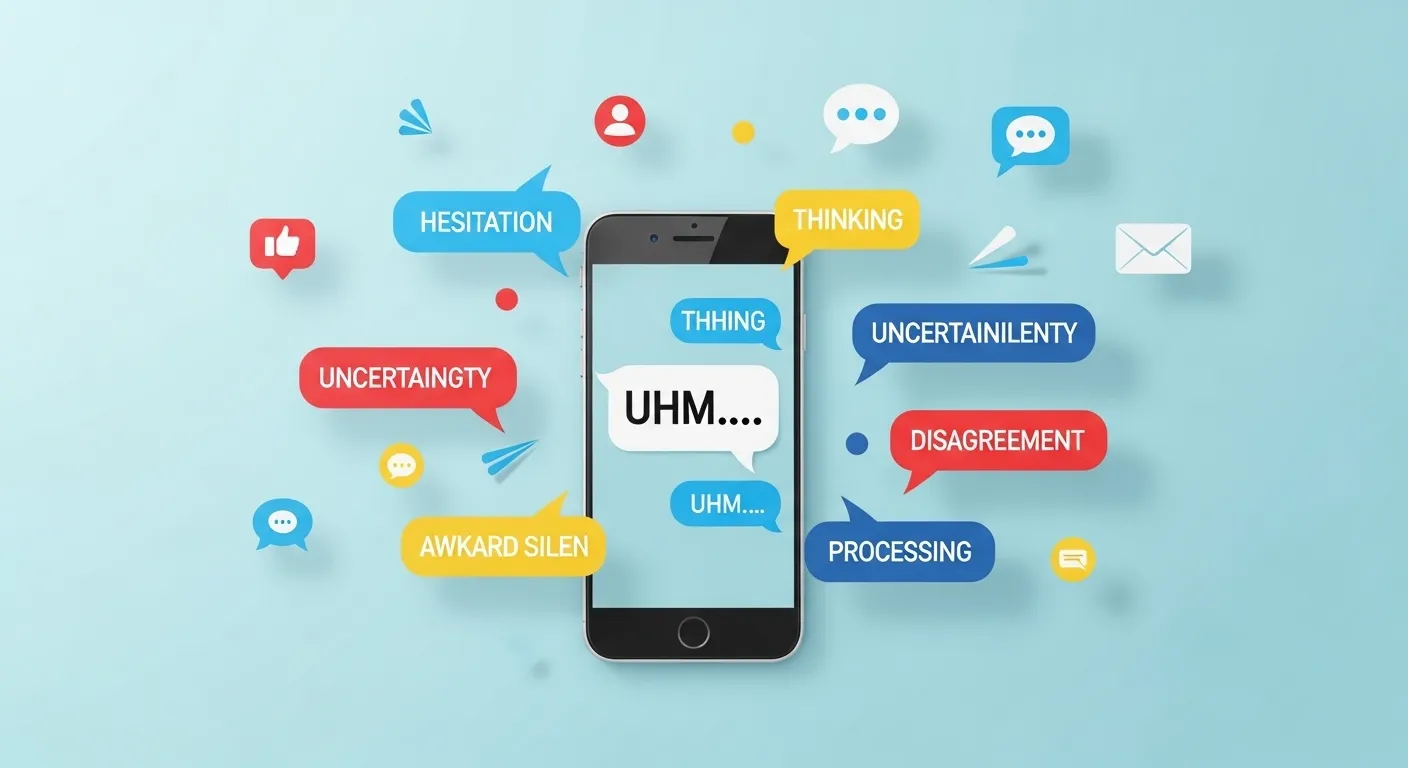
“Uhm” in text is used to express hesitation, thinking, uncertainty, or mild confusion.
Why Do People Use “UHM” in Text Messages?
Even though texting lacks voice tone, people still try to replicate real-life speech patterns. That’s where “uhm” comes in.
Common Reasons for Using “UHM”:
- 🤔 Thinking or pausing
- 😅 Feeling unsure or awkward
- 😬 Reacting to something unexpected
- 😐 Softening a response
- 😶 Showing mild disagreement or hesitation
Different Meanings of “UHM” Based on Context
The meaning of “uhm” can change depending on how and where it’s used.
1. Hesitation or Thinking
When someone is unsure how to respond:
- “Uhm… I’m not sure about that.”
👉 Indicates the person is thinking or uncertain.
2. Confusion or Surprise
When reacting to something unexpected:
- “Uhm… what just happened?”
👉 Shows confusion or disbelief.
3. Awkwardness
Used in uncomfortable situations:
- “Uhm… that was kinda weird.”
👉 Signals discomfort or awkwardness.
4. Mild Disagreement
A softer way to disagree:
- “Uhm, I don’t think that’s correct.”
👉 Less harsh than saying “No.”
5. Buying Time in Conversation
Used to delay a response:
- “Uhm… let me think about it.”
👉 Gives the sender time to process.
Examples of “UHM” in Text Conversations
Here are real-life examples to help you understand how it’s used:
Casual Chat
- Friend: “Do you like pineapple on pizza?”
- You: “Uhm… not really 😅”
Confusing Situation
- “Uhm… did you just send that to the wrong person?”
Awkward Moment
- “Uhm… I don’t think that joke landed 😂”
Hesitation in Decision
- “Uhm… I’ll let you know later.”
“UHM” vs “UM” vs “UH”: What’s the Difference?
These words are similar but slightly different in tone.
| Expression | Meaning | Tone |
|---|---|---|
| Uhm | Hesitation with slight thoughtfulness | Softer, more expressive |
| Um | Basic pause or filler word | Neutral |
| Uh | Quick hesitation or confusion | More abrupt |
👉 “Uhm” often feels more deliberate and expressive than “um.”
Is “UHM” Positive or Negative?
Good question—it depends on the context.
Positive Uses
- Thinking carefully before replying
- Softening a response
- Avoiding sounding rude
Negative Uses
- Showing discomfort
- Expressing doubt or disbelief
- Indicating awkwardness
👉 Overall, “uhm” is neutral but emotionally flexible.
How Tone Changes the Meaning of “UHM”
Texting relies heavily on tone indicators like punctuation and emojis.
Examples:
- “Uhm.” → Serious, slightly awkward
- “Uhm…” → Hesitation or thinking
- “Uhm??” → Confusion or disbelief
- “Uhm 😂” → Lighthearted or joking
👉 Small changes can completely shift the meaning.
When Should You Use “UHM” in Texting?
Appropriate Situations:
- Casual conversations with friends
- Reacting to surprising messages
- Expressing uncertainty politely
- Light humor or sarcasm
Avoid Using “UHM” When:
- Writing professional emails
- Communicating in formal settings
- Delivering clear or direct information
👉 In professional communication, it may seem unpolished.
Alternatives to “UHM” in Text
If you want variety or clarity, here are some alternatives:
Casual Alternatives
- “Hmm”
- “Well…”
- “I guess”
- “Let me think”
- “Not sure”
More Direct Alternatives
- “I don’t know”
- “I’m unsure”
- “That’s confusing”
- “Can you clarify?”
Playful Alternatives
- “Wait what 😂”
- “Hold up”
- “Excuse me??”
Common Misunderstandings About “UHM”
❌ Misconception 1: It Always Means Confusion
✔️ Truth: It can also mean hesitation, politeness, or thinking.
❌ Misconception 2: It’s Rude
✔️ Truth: It’s usually neutral and depends on tone.
❌ Misconception 3: It Shows Weakness
✔️ Truth: It can actually show thoughtfulness and careful response.
The Evolution of “UHM” in Digital Communication
“Uhm” originally comes from spoken filler words used in everyday conversation. As texting evolved, people began writing these sounds to:
- Make chats feel more natural
- Express emotions without long sentences
- Mimic real-life conversation tone
Today, it’s widely used across:
- Messaging apps
- Social media comments
- Online forums
- Chat platforms
Psychological Insight: Why We Use Words Like “UHM”
From a communication perspective, filler words like “uhm” serve an important role.
They Help Us:
- Process thoughts before responding
- Avoid awkward silence
- Signal hesitation or politeness
- Reduce the risk of sounding too blunt
👉 Even in text, humans crave natural, conversational flow.
“UHM” in Different Social Contexts
With Friends
- Casual and frequent
- Adds personality to messages
With Family
- Used to soften responses
- Helps avoid sounding rude
With Strangers
- Use carefully—it can be misunderstood
In Online Dating
- Shows hesitation or curiosity
- Can signal interest or confusion
Tips for Using “UHM” Effectively
If you want to use “uhm” naturally, follow these tips:
✅ Do:
- Use it in casual chats
- Pair it with emojis for clarity
- Use it to soften opinions
❌ Don’t:
- Overuse it (can seem unsure)
- Use it in professional messages
- Rely on it instead of clear communication
Quick Summary Table
| Aspect | Explanation |
|---|---|
| Meaning | Hesitation, thinking, or uncertainty |
| Tone | Neutral to slightly awkward |
| Usage | Casual texting |
| Alternatives | Hmm, well, not sure |
| Formal Use | Not recommended |
FAQs About “UHM” in Text
1. Is “uhm” the same as “um”?
Not exactly. While both show hesitation, “uhm” feels slightly more expressive and thoughtful than “um.”
2. Does “uhm” mean someone is lying?
No. It usually just indicates thinking or uncertainty, not dishonesty.
3. Is it rude to say “uhm” in a message?
Not at all. It’s generally neutral and depends on how it’s used.
4. Why do people type “uhm…” instead of just replying?
It helps buy time, soften responses, or express emotion in a natural way.
5. Can “uhm” be flirty?
Yes, sometimes! It can show shyness, curiosity, or playful hesitation.
6. Should I use “uhm” in professional chats?
No. It’s better to use clear and direct language in professional settings.
7. What does “uhm??” mean?
It usually shows confusion, disbelief, or surprise.
Conclusion
The uhm meaning in text goes far beyond a simple filler word. It’s a subtle but powerful way to express hesitation, emotion, and personality in digital conversations.
Key Takeaways:
- “Uhm” represents thinking, uncertainty, or mild reaction
- Its meaning changes depending on context and tone
- It’s best used in casual conversations
- It helps make texting feel more natural and human
👉 Pro Tip: Use “uhm” sparingly and pair it with emojis or context to avoid misunderstandings.
By understanding how “uhm” works, you can read between the lines in chats and communicate more effectively in today’s digital world.

I’m a language-focused blogger from the United States, and I write about modern texting habits and online expressions. My goal is to help readers stay up to date with constantly evolving digital slang by sharing accurate meanings, practical usage tips, and real conversational examples.