In today’s fast-paced digital world, text slang has become a universal language. From quick chats to social media comments, abbreviations help us communicate faster—but sometimes they can also cause confusion or even offense. One such widely used acronym is “STFU.”
If you’ve ever seen it in a message and wondered what it means—or whether you should use it—this guide will break it all down. Understanding the STFU meaning in text is important because it can dramatically affect how your message is received.
Let’s dive into the meaning, usage, tone, examples, and smarter alternatives to help you communicate more effectively.
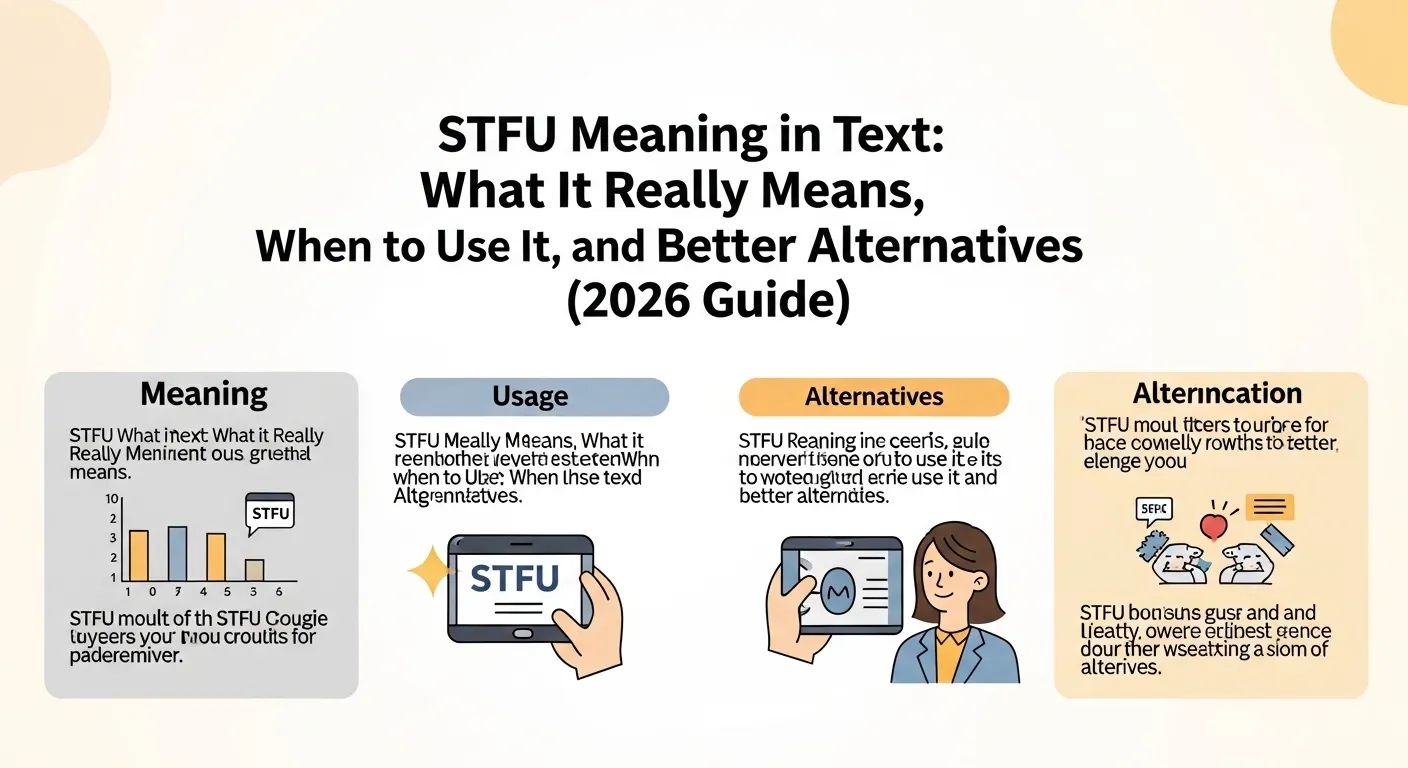
What Does STFU Mean in Text?
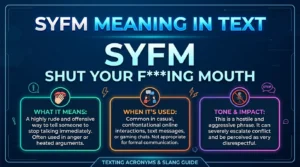
STFU stands for:
“Shut The F* Up”**
It’s a strong and often rude expression used to tell someone to stop talking. While it might seem straightforward, its tone can vary depending on context, relationship, and intent.
Key Takeaways
- It’s an abbreviation commonly used in texting and online chats
- Often considered offensive or aggressive
- Can be used jokingly among close friends
- Context and tone matter a lot
The Origin of STFU
The phrase “shut up” has been around for centuries, but the intensified version (STFU) became popular with the rise of:
- Internet forums (early 2000s)
- Online gaming communities
- Social media platforms
- Messaging apps like WhatsApp and Messenger
As digital communication evolved, people started shortening phrases to save time—leading to acronyms like LOL, BRB, and STFU.
Different Meanings of STFU Depending on Context
While the literal meaning is harsh, the interpretation can change depending on how it’s used.
1. Aggressive or Angry Usage
This is the most common and literal use.
Example:
- “Just STFU already!”
👉 Tone: Hostile, rude, confrontational
2. Playful or Joking Usage
Among close friends, it can be used humorously.
Example:
- “STFU 😂 no way that happened!”
👉 Tone: Lighthearted, teasing
3. Shock or Disbelief
Sometimes people use it to express surprise.
Example:
- “STFU, you won the lottery?!”
👉 Tone: Excited, amazed (not offensive)
4. Sarcastic Use
It can also be used sarcastically in conversations.
Example:
- “Oh yeah, because you know everything… STFU 🙄”
👉 Tone: Sarcastic, slightly rude
When Should You Use STFU?
Let’s be honest—STFU is risky. It can easily offend someone if used in the wrong situation.
Safe Situations
- With close friends who understand your humor
- In casual, playful conversations
- When joking or reacting dramatically
Avoid Using STFU When:
- Talking to coworkers or professionals
- Messaging someone you don’t know well
- Communicating in formal or academic settings
- Trying to resolve conflicts
Why STFU Can Be Problematic
Using STFU can have unintended consequences:
1. It Can Hurt Relationships
Even if you mean it jokingly, others may take it seriously.
2. Tone Is Hard to Interpret in Text
Without facial expressions or voice tone, messages can be misunderstood.
3. It May Come Across as Disrespectful
Especially in cultures where politeness is highly valued.
Examples of STFU in Real Conversations
Here’s how STFU might appear in different contexts:
Friendly Chat
- Friend 1: “I just met a celebrity!”
- Friend 2: “STFU 😂 no way!”
Argument
- Person A: “You’re always wrong!”
- Person B: “STFU and listen!”
Online Gaming
- “STFU and focus on the game!”
Social Media Comment
- “STFU this is fake news!”
Better Alternatives to STFU (Polite & Friendly Options)
If you want to avoid sounding rude, here are some safer alternatives:
Polite Alternatives
- “Can you please stop?”
- “Let’s change the topic.”
- “I’d rather not talk about this.”
Casual & Friendly Alternatives
- “Haha, stop 😂”
- “No way, be quiet!”
- “You’re kidding!”
Professional Alternatives
- “Let’s keep the conversation respectful.”
- “Please allow others to speak.”
- “Let’s stay on topic.”
Comparison Table: STFU vs Alternatives
| Expression | Tone | Suitable For |
|---|---|---|
| STFU | Aggressive / playful | Close friends only |
| Shut up | Slightly rude | Casual settings |
| Please stop | Polite | General use |
| Let’s move on | Neutral | Professional |
| Be quiet please | Respectful | Formal situations |
STFU in Social Media and Pop Culture
The phrase has become deeply embedded in online culture:
- Used in memes and viral posts
- Common in gaming chats
- Popular on platforms like Twitter, TikTok, and Reddit
However, many platforms now encourage respectful communication, so using harsh language like STFU may sometimes lead to warnings or moderation.
Common Misunderstandings About STFU
1. “It’s Always a Joke”
Not true. Many people take it literally.
2. “Everyone Uses It”
While common, not everyone is comfortable with it.
3. “It’s Harmless”
It can escalate conflicts quickly if misused.
Tips for Using Text Slang Responsibly
If you’re going to use abbreviations like STFU, keep these tips in mind:
1. Know Your Audience
Only use it with people who understand your tone.
2. Consider the Context
A joke in one setting can be offensive in another.
3. Use Emojis to Soften Tone
Example:
- “STFU 😂” feels less harsh than “STFU”
4. When in Doubt, Don’t Use It
It’s better to be safe than sorry.
Related Text Slang You Should Know
Understanding STFU also means recognizing similar slang:
- LOL – Laugh Out Loud
- OMG – Oh My God
- IDK – I Don’t Know
- BRB – Be Right Back
- GTFO – Get The F*** Out (even stronger than STFU)
- LMFAO – Laughing My F*ing A Off
Is STFU Ever Appropriate in Professional Settings?
Short answer: No.
Using STFU in professional communication can:
- Damage your reputation
- Appear disrespectful
- Lead to misunderstandings or conflict
Always choose clear and respectful language in work-related conversations.
How STFU Reflects Modern Communication Trends
The popularity of STFU highlights how:
- Communication is becoming shorter and faster
- People prefer expressive and emotional language
- Slang evolves rapidly with internet culture
However, it also shows the importance of balancing speed with respect.
FAQs About STFU Meaning in Text
1. Is STFU always rude?
Not always. It can be playful among friends, but it’s generally considered rude in most situations.
2. What does STFU mean from a girl or guy?
It means the same thing regardless of who uses it. The tone depends more on context than gender.
3. Can STFU be used jokingly?
Yes, but only with people who understand your humor and won’t take offense.
4. What is a nicer way to say STFU?
You can say:
- “Please stop”
- “Let’s change the topic”
- “Haha, be quiet!”
5. Is STFU appropriate for social media?
It depends on the audience. It’s common but can come across as aggressive or offensive.
6. What does STFU mean in gaming?
In gaming, it’s often used to tell someone to stop talking and focus, but it can still sound harsh.
7. Is STFU worse than “shut up”?
Yes. The added word makes it more intense and offensive.
Conclusion: Should You Use STFU in Text?
Understanding the STFU meaning in text is essential in today’s digital communication landscape. While it’s a popular and widely recognized acronym, it comes with risks.
Key Points to Remember
- STFU means “Shut The F* Up”**
- It can be rude, aggressive, or playful, depending on context
- Best used only with close friends
- Avoid it in professional or sensitive conversations
Actionable Tips
- Think before you send
- Consider your relationship with the person
- Use emojis or softer alternatives when possible
- When unsure, choose respectful language
At the end of the day, communication isn’t just about speed—it’s about clarity, tone, and respect. Using the right words can strengthen relationships, while the wrong ones can damage them instantly.

I’m a U.S.-based digital culture writer who specializes in modern text slang, social media language, and online communication trends. After years of researching how language evolves in texting and messaging apps, I break down confusing abbreviations into clear, easy-to-understand explanations for everyday readers.