In today’s fast-paced digital world, text abbreviations and internet slang have become a major part of online communication. Whether you’re chatting on social media, sending messages to friends, or scrolling through comments, you’ve probably come across the term NGL. But what exactly does it mean?
Understanding the NGL meaning in text can help you communicate more naturally online and avoid confusion when reading messages. This popular abbreviation is widely used on platforms like Instagram, Snapchat, TikTok, X (Twitter), Facebook, Discord, and in everyday texting conversations.
In this comprehensive guide, we’ll explore the meaning of NGL, its origin, examples of usage, common misconceptions, alternatives, and much more.
What Does NGL Mean in Text?
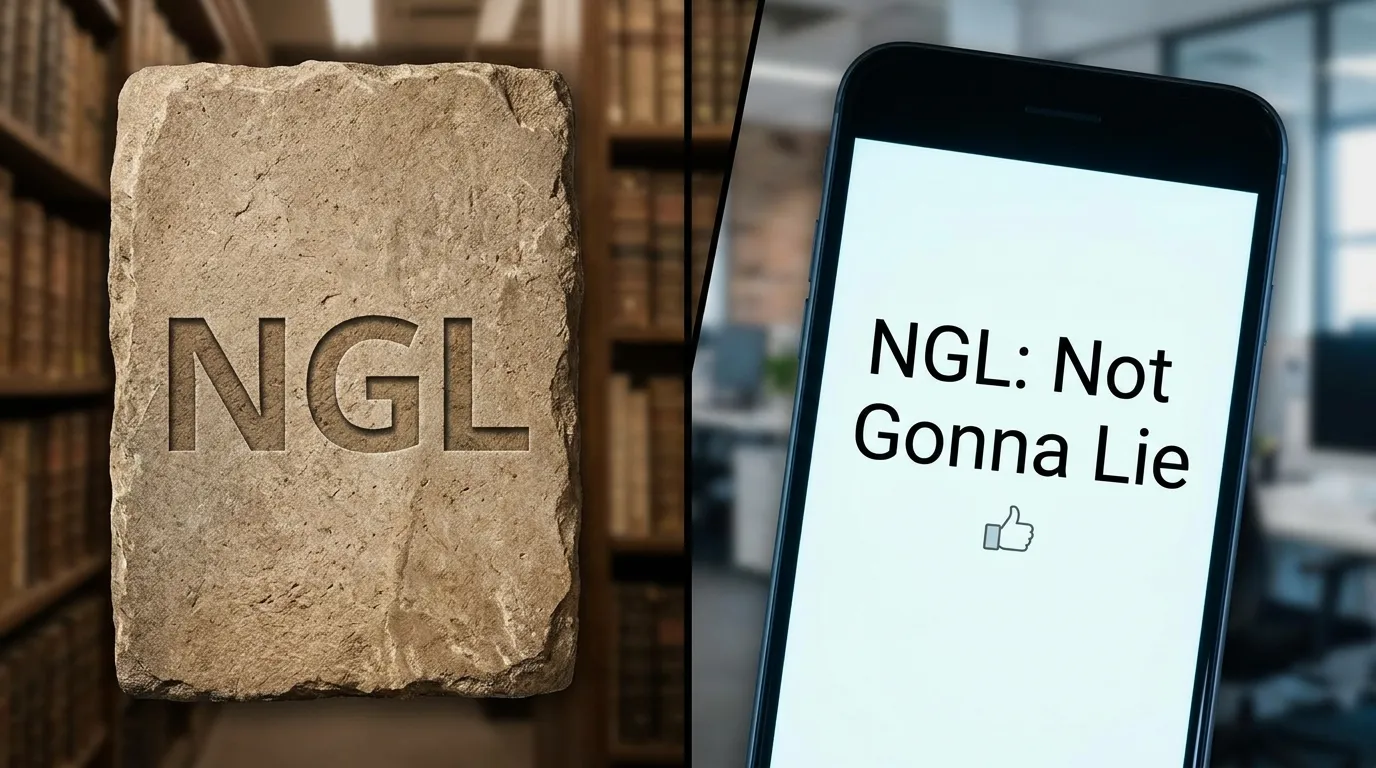
NGL stands for:
“Not Gonna Lie”
People use this phrase to introduce an honest opinion, confession, observation, or feeling.
Simple Definition
When someone says “NGL,” they’re essentially saying:
- “To be honest…”
- “Honestly…”
- “I’m being truthful…”
- “Here’s my real opinion…”
It signals that the speaker is about to share something genuine, surprising, or candid.
Example
Text Message:
NGL, that movie was way better than I expected.
Meaning:
Honestly, that movie was much better than I thought it would be.
Why Is NGL So Popular?
The rise of texting, social media, and instant messaging has encouraged people to use shorter forms of communication.
NGL is popular because it:
- Saves typing time
- Sounds casual and friendly
- Expresses honesty quickly
- Fits naturally into conversations
- Works across different social media platforms
Many internet users appreciate slang terms that make communication feel more authentic and conversational.
The Origin of NGL
The phrase “Not Gonna Lie” existed long before texting became popular.
People commonly used it in spoken English to emphasize honesty:
“Not gonna lie, I’m pretty nervous.”
As internet culture evolved in the 2000s and 2010s, users began shortening common phrases into acronyms.
Examples include:
| Acronym | Meaning |
|---|---|
| LOL | Laugh Out Loud |
| BRB | Be Right Back |
| IMO | In My Opinion |
| TBH | To Be Honest |
| NGL | Not Gonna Lie |
Over time, NGL became one of the most frequently used internet abbreviations.
How Is NGL Used in Text Messages?
NGL usually appears at the beginning of a sentence, but it can also appear in the middle or end.
Beginning of a Sentence
NGL, I’m excited for the weekend.
Middle of a Sentence
That concert was, NGL, one of the best I’ve ever attended.
End of a Sentence
That pizza was amazing, NGL.
All three versions communicate honesty and sincerity.
Examples of NGL in Everyday Conversations
Here are some realistic examples.
Talking About Food
Friend: How was the burger?
You: NGL, it was incredible.
Talking About School
Student: How was the exam?
Friend: NGL, it was harder than I expected.
Talking About Movies
Person A: Did you enjoy the film?
Person B: NGL, I almost cried at the ending.
Talking About Sports
Fan: What did you think of the game?
Friend: NGL, our team got lucky.
Talking About Relationships
Friend: Do you miss your old job?
You: NGL, sometimes I do.
NGL on Social Media
The term appears frequently on social media platforms.
Users often write:
NGL, this is my favorite photo.
or
NGL, I needed this vacation.
TikTok
Creators use NGL in captions:
NGL, I wasn’t expecting this to go viral.
Snapchat
People often send messages like:
NGL, that filter looks great on you.
Twitter/X
Tweets commonly include phrases such as:
NGL, this might be the best album of the year.
Discord
Gamers and community members frequently use NGL:
NGL, that boss fight was insanely difficult.
Different Meanings and Contexts of NGL
Although NGL almost always means “Not Gonna Lie,” the emotional tone can vary.
Honest Opinion
NGL, this phone is worth the money.
Compliment
NGL, you look amazing today.
Confession
NGL, I forgot your birthday.
Surprise
NGL, I didn’t see that coming.
Criticism
NGL, that wasn’t your best performance.
Context determines whether the statement is positive, negative, humorous, or serious.
Is NGL Positive or Negative?
One common misconception is that NGL is always negative.
That’s not true.
NGL can be:
Positive
- NGL, you’re really talented.
- NGL, this restaurant is fantastic.
Negative
- NGL, I’m disappointed.
- NGL, that game was boring.
Neutral
- NGL, it’s raining a lot today.
- NGL, the meeting took longer than expected.
The phrase itself is neutral. The message that follows determines the tone.
NGL vs TBH
Many people confuse NGL and TBH.
Let’s compare them.
| NGL | TBH |
|---|---|
| Not Gonna Lie | To Be Honest |
| More conversational | More direct |
| Often introduces opinions | Often introduces truthful statements |
| Popular among younger users | Popular across many age groups |
Example Using NGL
NGL, I enjoyed the sequel.
Example Using TBH
TBH, I enjoyed the sequel.
The meanings are very similar and often interchangeable.
When Should You Use NGL?
NGL works best in casual communication.
Appropriate Situations
✅ Texting friends
✅ Social media posts
✅ Group chats
✅ Gaming chats
✅ Online communities
✅ Informal conversations
Situations to Avoid
❌ Formal business emails
❌ Academic papers
❌ Professional reports
❌ Job applications
❌ Official correspondence
Instead of NGL in professional settings, use:
- Honestly
- Frankly
- To be honest
- In my opinion
- Candidly speaking
Popular NGL Text Examples
Here are examples commonly seen online.
Funny Examples
- NGL, I came here for the snacks.
- NGL, my alarm clock is my biggest enemy.
- NGL, I watched that entire series in one day.
Romantic Examples
- NGL, you’re the best thing that’s happened to me.
- NGL, I still think about our first date.
Friendship Examples
- NGL, you’re one of my favorite people.
- NGL, I miss hanging out with everyone.
Gaming Examples
- NGL, that level took me hours to beat.
- NGL, you’re carrying the whole team.
NGL in Memes and Internet Culture
Internet culture loves authenticity and humor.
NGL often appears in:
- Memes
- Reaction posts
- Viral tweets
- TikTok captions
- Reddit discussions
- Gaming forums
For example:
NGL, I opened the fridge five times hoping new food would appear.
This style of self-deprecating humor has helped NGL become a staple of online communication.
Common Misunderstandings About NGL
Myth 1: NGL Is Rude
Not true.
NGL simply signals honesty. It can be respectful or rude depending on the statement.
Respectful
NGL, I admire your dedication.
Rude
NGL, that’s a terrible idea.
The phrase isn’t inherently rude.
Myth 2: Only Teenagers Use It
While younger generations helped popularize it, adults use NGL as well.
It’s common among:
- Students
- Professionals
- Gamers
- Influencers
- Social media users of all ages
Myth 3: NGL Always Means a Confession
Not necessarily.
It can introduce:
- Opinions
- Compliments
- Criticisms
- Observations
- Feelings
Alternatives to NGL
If you want variety in your conversations, consider these alternatives.
| Alternative | Meaning |
|---|---|
| TBH | To Be Honest |
| Honestly | Genuine opinion |
| Frankly | Directly speaking |
| Truthfully | Speaking truthfully |
| In all honesty | Complete honesty |
| Real talk | Serious opinion |
| No joke | Genuine statement |
Example
Instead of:
NGL, that was impressive.
You could say:
Honestly, that was impressive.
or
TBH, that was impressive.
Benefits of Understanding Internet Slang
Learning terms like NGL helps you:
Communicate Better
You can understand conversations more easily.
Stay Updated
Internet language changes quickly.
Connect Socially
Understanding slang improves online interactions.
Avoid Misunderstandings
Knowing what abbreviations mean prevents confusion.
Quick Reference Guide
| Term | Full Meaning |
|---|---|
| NGL | Not Gonna Lie |
| TBH | To Be Honest |
| IMO | In My Opinion |
| FYI | For Your Information |
| BRB | Be Right Back |
| LOL | Laugh Out Loud |
| IDK | I Don’t Know |
This table can serve as a quick guide for common texting abbreviations.
How to Respond When Someone Says NGL
If someone uses NGL, respond naturally based on the conversation.
Example 1
Friend: NGL, that was hilarious.
You: I thought so too!
Example 2
Friend: NGL, I’m nervous about tomorrow.
You: That’s understandable. You’ll do great.
Example 3
Friend: NGL, I didn’t enjoy the movie.
You: Really? What didn’t you like about it?
Frequently Asked Questions (FAQs)
What does NGL stand for in texting?
NGL stands for “Not Gonna Lie.” It is used to introduce an honest opinion, thought, or feeling.
Is NGL the same as TBH?
They are very similar. Both indicate honesty, but NGL often sounds more conversational and casual than TBH.
Is NGL considered slang?
Yes. NGL is internet slang and a popular texting abbreviation used in digital communication.
Can NGL be used professionally?
Generally, no. NGL is best suited for casual conversations, social media, and personal messages rather than formal business communication.
Why do people say NGL before a sentence?
People use NGL to signal honesty and emphasize that they are sharing a genuine opinion or feeling.
Is NGL positive or negative?
It can be either. NGL is neutral by itself. The tone depends on what follows the phrase.
Is NGL still popular in 2025 and beyond?
Yes. NGL remains widely used across texting apps, social media platforms, gaming communities, and online discussions because it is short, relatable, and easy to understand.
Conclusion
Understanding the NGL meaning in text is essential for anyone navigating modern digital communication. NGL stands for “Not Gonna Lie” and is used to introduce honest thoughts, opinions, feelings, and observations in a casual way. Whether you’re texting friends, posting on social media, commenting on videos, or chatting in online communities, you’ll likely encounter this abbreviation frequently.
The key takeaway is simple: NGL is a quick, friendly way to express honesty. It can be positive, negative, funny, emotional, or neutral depending on the context. By learning how and when to use NGL, you’ll communicate more naturally and better understand today’s internet language.
Next time you see someone write, “NGL,” you’ll know exactly what they mean—and maybe you’ll start using it yourself. NGL, it’s one of the most useful slang terms to know in today’s digital world! 😄

I’m a U.S.-based digital culture writer who specializes in modern text slang, social media language, and online communication trends. After years of researching how language evolves in texting and messaging apps, I break down confusing abbreviations into clear, easy-to-understand explanations for everyday readers.