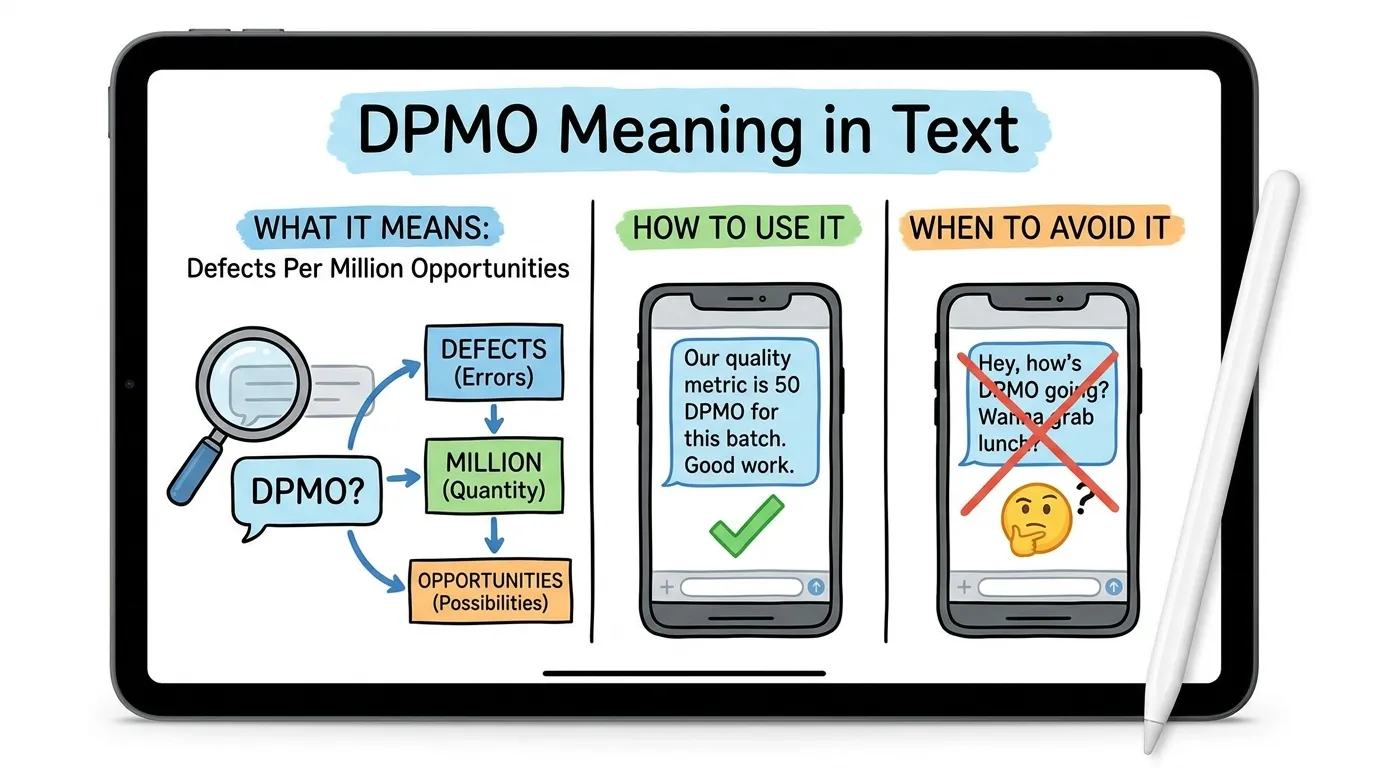
In today’s world of texting, social media, and online messaging, new slang terms appear almost every day. If you’ve come across “DPMO” in a text message, TikTok comment, Snapchat conversation, or social media post, you may be wondering what it means.
Understanding the DPMO meaning in text is important because this abbreviation is commonly used in casual online communication, especially among younger internet users. Depending on the context, it can express frustration, annoyance, disbelief, or irritation.
In this comprehensive guide, we’ll explore the meaning of DPMO, where it came from, how it’s used, examples in conversations, alternative slang expressions, common misconceptions, and much more.
What Does DPMO Mean in Text?
DPMO stands for:
“Don’t Piss Me Off.”
It is an internet slang abbreviation used when someone is annoyed, frustrated, irritated, or warning another person not to make them angry.
The phrase is usually written in all caps:
- DPMO
- dpmo
- Dpmo
All versions generally carry the same meaning.
Simple Definition
When someone texts “DPMO,” they are essentially saying:
- “Don’t annoy me.”
- “Don’t make me mad.”
- “Stop before I get angry.”
- “You’re testing my patience.”
The tone can range from playful joking among friends to genuine frustration, depending on the situation.
Quick Overview of DPMO
| Term | Meaning |
|---|---|
| DPMO | Don’t Piss Me Off |
| Type | Internet Slang |
| Used In | Texts, TikTok, Snapchat, Instagram, X, Discord |
| Tone | Annoyed, frustrated, joking, sarcastic |
| Popular Among | Teens and young adults |
The Origin of DPMO
Like many internet abbreviations, DPMO emerged from the need for faster communication online.
As texting became more popular, users started shortening common phrases:
- LOL = Laugh Out Loud
- BRB = Be Right Back
- IMO = In My Opinion
- SMH = Shaking My Head
- DPMO = Don’t Piss Me Off
The acronym gained significant popularity through:
- TikTok captions
- Twitter/X posts
- Snapchat messages
- Instagram comments
- Meme culture
Many users found it easier to type four letters instead of the full phrase.
DPMO Meaning on Social Media
While the core meaning remains the same, DPMO can take on slightly different tones across platforms.
On TikTok
Users often write:
“Y’all really DPMO sometimes.”
Meaning:
“You people really annoy me sometimes.”
On Instagram
Someone might comment:
“DPMO with these fake giveaways.”
Meaning:
“These fake giveaways are irritating.”
On Snapchat
Friends commonly use it jokingly:
“You ate my snacks again? DPMO 😂”
Meaning:
“You’re annoying me, but I’m joking.”
On X (Twitter)
It is frequently used when reacting to frustrating news:
“This app DPMO every day.”
Meaning:
“This app frustrates me every day.”
Different Ways DPMO Is Used
The meaning can vary slightly depending on context.
1. Genuine Anger
Sometimes the person is truly upset.
Example:
Person A:
You lost my headphones again.
Person B:
DPMO right now.
Translation:
“I’m really angry right now.”
2. Friendly Teasing
Friends often use DPMO jokingly.
Example:
Friend:
I beat you again at the game.
You:
DPMO 😂
Translation:
“Stop showing off!”
3. Frustration With a Situation
People use DPMO when something goes wrong.
Example:
This internet connection is really DPMO today.
Translation:
“This internet connection is frustrating me.”
4. Sarcastic Reactions
Sometimes it is used humorously.
Example:
My alarm went off after only two hours of sleep. DPMO.
Translation:
“This is incredibly annoying.”
Examples of DPMO in Text Conversations
Example 1: Between Friends
Alex: I accidentally deleted your file.
Jordan: DPMO 😭
Meaning:
Jordan is annoyed but may not be seriously angry.
Example 2: School Situation
Student: We have a surprise test tomorrow.
Friend: DPMO.
Meaning:
The friend is frustrated about the unexpected test.
Example 3: Family Chat
Sibling: Mom said you have to wash the dishes.
You: DPMO.
Meaning:
You are expressing annoyance.
Example 4: Gaming
Player 1: We lost because you disconnected.
Player 2: My Wi-Fi DPMO every day.
Meaning:
The player is frustrated with their internet.
Is DPMO Offensive?
This is a common question.
The Short Answer
DPMO is mildly offensive because it contains a profanity-based phrase.
The word “piss” is generally considered informal and somewhat vulgar.
However, the severity depends on:
- Your audience
- The platform
- The relationship between participants
Appropriate Situations
✔ Talking with close friends
✔ Casual online conversations
✔ Informal social media posts
Situations to Avoid
❌ Workplace communication
❌ Professional emails
❌ School assignments
❌ Conversations with teachers
❌ Formal business messages
DPMO vs Similar Internet Slang
Many abbreviations express annoyance. Here’s how DPMO compares.
| Slang | Meaning | Tone |
|---|---|---|
| DPMO | Don’t Piss Me Off | Warning or frustration |
| SMH | Shaking My Head | Disappointment |
| IDC | I Don’t Care | Indifference |
| FML | Frustration with life | Strong frustration |
| ISTG | I Swear To God | Serious emphasis |
| WTH | What The Heck/Hell | Surprise or annoyance |
While all can express negative emotions, DPMO specifically focuses on irritation or anger.
Why Is DPMO So Popular?
Several factors have contributed to its popularity.
Short and Easy
Typing four letters is quicker than writing:
“Don’t piss me off.”
Emotional Impact
The abbreviation still communicates strong feelings.
Social Media Trends
TikTok and meme culture have spread the term widely.
Relatable Expression
Everyone experiences frustration occasionally, making DPMO easy to relate to.
Common Misunderstandings About DPMO
Misconception #1: It Always Means Anger
Not necessarily.
Many people use it jokingly with friends.
Example:
“You got the last slice of pizza? DPMO 😂”
This is playful, not serious.
Misconception #2: It’s Always Rude
Context matters.
Among close friends, DPMO can be lighthearted and humorous.
Misconception #3: It Has Multiple Official Meanings
In texting and social media, Don’t Piss Me Off is by far the most common meaning.
Some niche industries may use DPMO differently, but online slang almost always refers to annoyance or frustration.
How to Respond When Someone Says DPMO
The best response depends on their tone.
If They’re Joking
You can joke back.
Examples:
- “Too late 😂”
- “My bad!”
- “You’re gonna survive.”
- “Cry about it 😂”
If They’re Actually Upset
Respond respectfully.
Examples:
- “Sorry about that.”
- “I didn’t mean to upset you.”
- “Let’s fix it.”
- “My mistake.”
If You’re Unsure
Ask for clarification.
Example:
“Are you serious or joking?”
This helps prevent misunderstandings.
Alternative Phrases to DPMO
If you want to express annoyance without using DPMO, consider these alternatives:
Casual Alternatives
- Stop annoying me.
- You’re testing my patience.
- Give me a break.
- Not again.
- Seriously?
Funny Alternatives
- You’re killing me.
- I’m done.
- I can’t deal with this.
- Here we go again.
- Why are you like this?
Professional Alternatives
- That’s frustrating.
- I’m concerned about this.
- Let’s address the issue.
- This situation needs attention.
When Should You Use DPMO?
Use DPMO when:
- Texting close friends
- Sending casual messages
- Posting memes
- Commenting on social media
- Making humorous complaints
Avoid DPMO when:
- Writing professional emails
- Communicating with clients
- Talking to supervisors
- Sending academic messages
- Speaking in formal settings
A good rule is:
If you wouldn’t say “Don’t piss me off” out loud in that situation, don’t type DPMO either.
Examples of DPMO in Everyday Situations
Work From Home
My computer froze during the meeting. DPMO.
Sports
The referee made another bad call. DPMO.
Streaming Services
They removed my favorite show. DPMO.
Shopping
The package says delivered but it’s not here. DPMO.
Gaming
Lost connection in the final round. DPMO.
These examples show how versatile the expression can be.
The Future of DPMO in Online Communication
Internet slang evolves quickly.
Some abbreviations disappear after a few years, while others become part of everyday digital language.
DPMO has remained popular because:
- It’s easy to remember.
- It expresses a common emotion.
- It works across multiple platforms.
- It fits modern texting culture.
As long as people continue sharing frustrations online, DPMO will likely remain part of internet slang vocabulary.
Frequently Asked Questions (FAQs)
What does DPMO mean in texting?
DPMO means “Don’t Piss Me Off.” It is used to express annoyance, irritation, frustration, or a warning that someone is becoming angry.
Is DPMO rude?
It can be. Since it contains a profanity-based phrase, some people may find it rude. Among friends, however, it is often used jokingly.
What does DPMO mean on TikTok?
On TikTok, DPMO usually means “Don’t Piss Me Off” and is often used in captions, comments, and videos to express frustration or playful annoyance.
Can DPMO be used humorously?
Yes. Many people use DPMO as a joke when teasing friends or reacting to minor inconveniences.
Is DPMO appropriate for work?
No. DPMO is generally too informal and potentially offensive for professional communication.
What are some alternatives to DPMO?
Alternatives include:
- Stop annoying me
- Seriously?
- You’re testing my patience
- Give me a break
- Not again
Why do people use DPMO instead of writing the full phrase?
The abbreviation is faster to type and fits the quick communication style of texting and social media.
Conclusion
Understanding the DPMO meaning in text helps you navigate modern online conversations with confidence. The acronym stands for “Don’t Piss Me Off” and is commonly used to express annoyance, frustration, irritation, or playful teasing. While it may sound harsh, context is everything—among friends it can be humorous, while in serious situations it may indicate genuine anger.
When using DPMO, consider your audience and the setting. It’s perfectly suited for casual texts, memes, and social media interactions, but it should generally be avoided in professional or formal communication. By recognizing its meaning, tone, and appropriate usage, you’ll be better equipped to understand internet slang and communicate effectively in today’s digital world.

I’m a language-focused blogger from the United States, and I write about modern texting habits and online expressions. My goal is to help readers stay up to date with constantly evolving digital slang by sharing accurate meanings, practical usage tips, and real conversational examples.