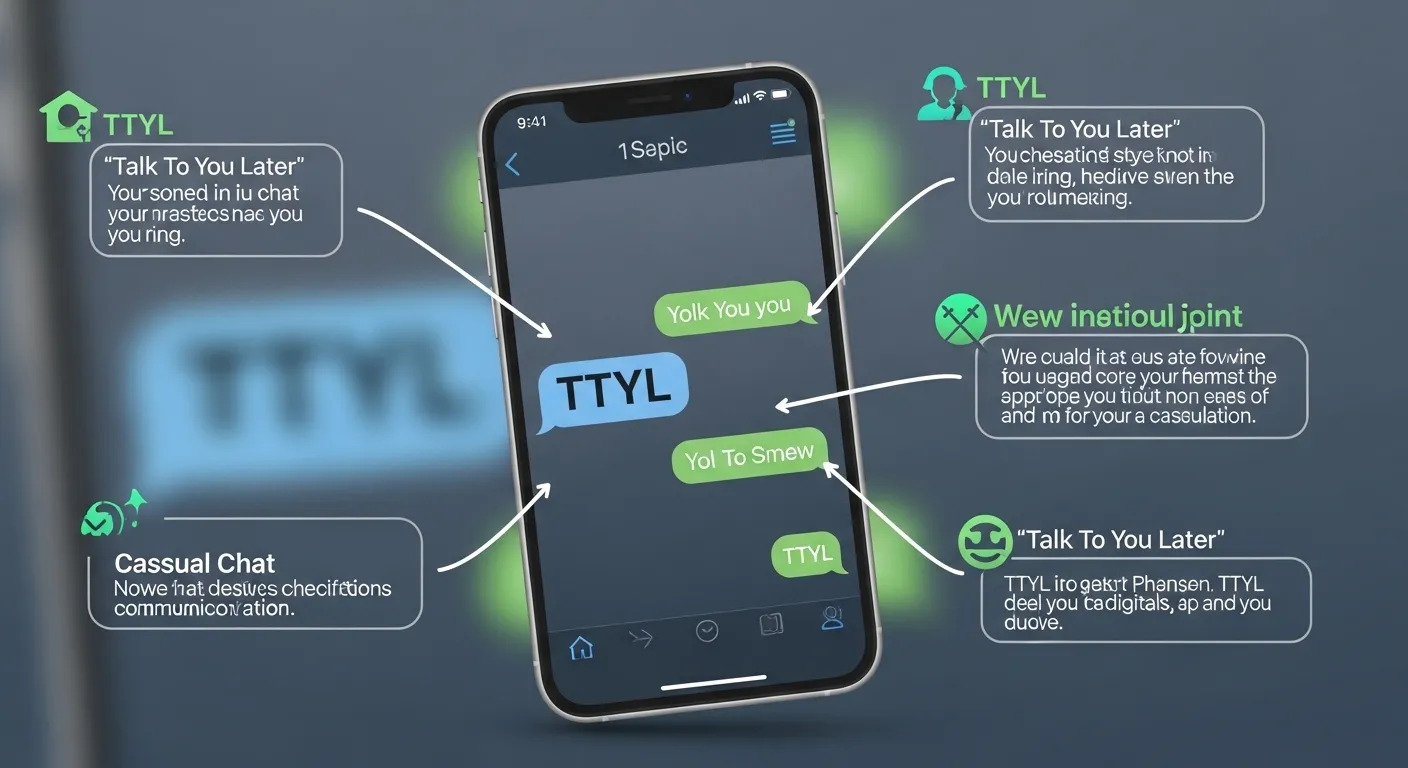
In today’s fast-paced digital world, communication has become quicker, shorter, and more convenient. Abbreviations and slang dominate conversations on social media, messaging apps, and even professional chats. One such popular abbreviation is “TTYL”.
But what exactly does TTYL mean in text, and how should you use it correctly?
In this comprehensive guide, we’ll explore everything you need to know about TTYL meaning in text, including its definition, origin, examples, usage tips, alternatives, and common mistakes. Whether you’re a beginner or someone who wants to stay updated with texting slang, this article will help you master it.
What Does TTYL Mean in Text?
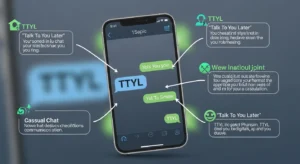
TTYL stands for “Talk To You Later.”
It is commonly used in texting, online chats, and social media to politely end a conversation while implying that you’ll continue talking at a later time.
✅ Simple Definition:
- TTYL = Talk To You Later
💬 Example:
- “I have to go now, TTYL!”
This abbreviation signals that the conversation isn’t over forever—it’s just paused.
Why Is TTYL So Popular?
The popularity of TTYL comes from the need for quick and efficient communication. In texting culture, people prefer short forms to save time and effort.
Reasons for its popularity:
- ⏱️ Saves time while typing
- 📱 Common across all messaging platforms
- 😊 Sounds friendly and casual
- 🔁 Keeps conversations open-ended
TTYL is widely used by people of all ages, especially teens and young adults.
The Origin of TTYL
TTYL dates back to the early days of the internet, particularly during the rise of chat rooms and instant messaging platforms in the 1990s and early 2000s.
📜 Historical Background:
- First used in online chat forums
- Became popular through platforms like:
- AOL Instant Messenger (AIM)
- Yahoo Messenger
- Later spread to SMS texting and social media
Over time, TTYL became a standard digital expression used worldwide.
How to Use TTYL in Text Conversations
Using TTYL is simple, but context matters.
✅ When to Use TTYL:
- Ending a casual conversation
- When you’re busy or leaving
- Saying goodbye temporarily
- Pausing a chat
💬 Examples:
- “I’m heading out now, TTYL!”
- “Got a meeting, ttyl.”
- “Battery dying 😅 ttyl!”
⚠️ When NOT to Use TTYL:
- In formal emails
- During serious or emotional discussions
- In professional business communication
Different Ways to Write TTYL
TTYL is flexible and can be written in different styles:
✍️ Variations:
- TTYL (uppercase)
- ttyl (lowercase)
- Ttyl (mixed case)
All versions mean the same—it’s just a matter of personal preference.
Examples of TTYL in Real Conversations
Here are some real-life chat examples to help you understand better:
💬 Casual Chat:
Friend 1: “Wanna watch a movie tonight?”
Friend 2: “Can’t, busy today. TTYL!”
💬 Work Chat (Semi-Casual):
Colleague: “Let’s discuss this tomorrow.”
You: “Sure, ttyl.”
💬 Family Chat:
Mom: “Dinner is ready.”
You: “Coming! TTYL.”
TTYL vs Other Common Text Abbreviations
TTYL is often confused with similar abbreviations. Let’s compare:
| Abbreviation | Meaning | Usage |
|---|---|---|
| TTYL | Talk To You Later | Ending conversation politely |
| BRB | Be Right Back | Short break |
| GTG | Got To Go | Leaving immediately |
| BYE | Goodbye | Ending conversation completely |
| CU | See You | Informal goodbye |
🧠 Key Difference:
- TTYL suggests you’ll talk again later
- GTG implies urgency
- BRB means you’ll return soon
Is TTYL Formal or Informal?
TTYL is considered informal language.
📌 Use it in:
- Text messages
- Social media chats
- Casual conversations
🚫 Avoid it in:
- Business emails
- Academic writing
- Professional documents
Better Alternatives in Formal Settings:
- “Speak to you later”
- “I’ll get back to you soon”
- “Looking forward to continuing this discussion”
TTYL in Social Media and Online Culture
TTYL is widely used across various platforms:
📱 Common Platforms:
- Facebook Messenger
- Instagram DMs
- Snapchat
- Twitter (X)
It helps keep conversations light, friendly, and ongoing.
Common Misunderstandings About TTYL
Even though TTYL is simple, some people misinterpret it.
❌ Misconceptions:
- Thinking it means goodbye forever
- Using it in serious conversations
- Assuming it’s rude or dismissive
✅ Reality:
- It’s friendly and polite
- Suggests continuation of conversation
- Not suitable for emotional or important talks
Alternatives to TTYL
If you want to vary your texting style, here are some alternatives:
💬 Casual Alternatives:
- “Talk soon”
- “Catch you later”
- “See you later”
- “Chat soon”
- “Later!”
💼 Semi-Formal Alternatives:
- “I’ll talk to you later”
- “Let’s continue this later”
- “I’ll reconnect with you soon”
Using alternatives keeps your conversations fresh and natural.
When Should You Avoid Using TTYL?
While TTYL is useful, there are situations where it’s inappropriate.
🚫 Avoid in:
- Serious discussions (e.g., arguments, emotional talks)
- Professional emails
- Job interviews
- Customer service communication
❗ Example:
Instead of:
- “We’ll fix your issue later, ttyl”
Use:
- “We will follow up with you shortly”
Benefits of Using TTYL in Texting
TTYL offers several advantages in digital communication:
🌟 Key Benefits:
- Saves time and typing effort
- Keeps tone friendly and casual
- Helps end conversations smoothly
- Widely understood
It’s a small abbreviation that makes communication efficient and human.
TTYL and Modern Digital Communication Trends
TTYL is part of a larger trend of internet slang and abbreviations.
📊 Trending Communication Styles:
- Shortened words (LOL, OMG, BTW)
- Emojis and GIFs
- Voice notes and video messages
Despite new trends, TTYL remains relevant and widely used.
Tips for Using TTYL Effectively
To use TTYL like a pro, follow these tips:
✅ Best Practices:
- Use in casual conversations only
- Pair with emojis for friendliness 😊
- Avoid overusing it
- Understand context before using
💬 Example:
- “Gotta run now 😄 ttyl!”
Frequently Asked Questions (FAQs)
1. What does TTYL mean in texting?
TTYL means “Talk To You Later.” It is used to end a conversation politely while indicating you’ll continue later.
2. Is TTYL rude?
No, TTYL is not rude. It is considered friendly and casual when used in the right context.
3. Can I use TTYL in professional communication?
It’s best to avoid TTYL in formal settings. Use full phrases like “Talk to you later” instead.
4. What is the difference between TTYL and BRB?
- TTYL = Ending conversation temporarily
- BRB = Leaving briefly and coming back soon
5. Is TTYL still popular?
Yes, TTYL is still widely used, especially in casual texting and social media conversations.
6. Can TTYL be used in uppercase or lowercase?
Yes, both TTYL and ttyl are correct and mean the same thing.
7. What are some alternatives to TTYL?
Alternatives include:
- Talk soon
- Catch you later
- See you later
Conclusion: Why TTYL Still Matters
In the evolving world of digital communication, abbreviations like TTYL continue to play an important role. It’s simple, friendly, and efficient—making it a perfect way to wrap up conversations without sounding abrupt.
🔑 Key Takeaways:
- TTYL means “Talk To You Later”
- It is informal and widely used
- Best suited for casual conversations
- Helps maintain a friendly tone
🚀 Final Tip:
Use TTYL thoughtfully and in the right context to keep your conversations smooth and engaging.
So next time you’re ending a chat, just type “TTYL”—and keep the conversation going for later! 😊

I’m a U.S.-based digital culture writer who specializes in modern text slang, social media language, and online communication trends. After years of researching how language evolves in texting and messaging apps, I break down confusing abbreviations into clear, easy-to-understand explanations for everyday readers.